About Me

My photo
Hello, I'm Aadya. Currently doing my Master's in English Literature.

Sunday, July 10, 2022


എന്റെ ആദ്യത്തെ കുഞ്ഞിന്


ഹിരോഷി യോഷിനോ യുടെ "ഹാജിമേതെ നൊ കോ നി" എന്ന കവിതയുടെ പരിഭാഷ.


നീ ജനിച്ചതിന്റെ പിറ്റേന്ന്.


കഴുകൻമാരെപ്പോലെ അവർ വന്നു;

ലൈഫ് ഇൻഷുറൻസ് ഏജന്റുമാർ.


അവർ കറുത്ത ലതർബാഗുകൾ

വീണ്ടും വീണ്ടും

തുറന്നടച്ചുകൊണ്ടേയിരുന്നു.


"നിങ്ങളുടെ കാതുകൾ മൂർച്ചയുള്ളതാണല്ലോ!"

ഞാൻ ആശ്ചര്യപ്പെട്ടു.


"ഞങ്ങൾക്ക് അതിന്റെ മണം കിട്ടി."

ചിരിച്ചു കൊണ്ട് അവർ പറഞ്ഞു.


എന്റെ കുഞ്ഞേ,

നിന്റെ മുഖം തിരിച്ചറിയുംവിധം

 രൂപപ്പെട്ടിട്ടുപോലുമില്ലല്ലോ.


പിന്നെപ്പോഴാണ്

നിന്റെ ഈ മൃദുലമേനി

കുഞ്ഞു മരണത്തിനായി

പങ്കുവെക്കപ്പെട്ടത്!!


ഇപ്പോഴിതാ ആ സുഗന്ധം

ഇവിടെമാകെ ഒഴുകിപ്പരക്കുന്നു.


ഈ മണത്തെക്കുറിച്ചാവില്ലേ

അവർ പറഞ്ഞത്?


**********


ഹിരോഷി യോഷിനോ (1926-2014). ജാപ്പനീസ് കവി. ന്യൂമോണിയ ബാധിച്ച് 2014 ജനുവരി 15-ന്  എൺപത്തിയേഴാം  വയസ്സിൽ അന്തരിച്ചു. കവിത, വിമർശനം, വ്യാഖ്യാനം, ഉപന്യാസം എന്നിവ ഉൾപ്പെടെ  66 കൃതികൾ രചിച്ചിട്ടുണ്ട്.

ഹിരോഷി യോഷിനോ സെൻശിത്സു ( ഹിരോഷി യോഷിനോയുടെ കവിതാശേഖരം) ഗെൻദായ്ശി ന്യൂമോൻ (ആധുനിക ചരിത്രത്തിന് ഒരാമുഖം),  ശി നൊ കൊതോബ നൊ ത്സൂരോ (കവിതയും വാക്കിന്റെ വഴിയും), ഹിരോഷി യോഷിനോ ശിഷൂ (ഹിരോഷി യോഷിനോയുടെ കവിതാ സമാഹാരം), തുടങ്ങിയവയാണ് പ്രധാന കൃതികൾ.

Monday, May 2, 2022

 Exaggerated Sentiments in Japanese Anime 

Rasa’s Foundation is laid upon a particular view of psychology that holds our personality. A few primary emotions live in the conscious and subconscious states of our being. These emotions are vast, amusing, pathetic, heroic, passionate, fearful, disgusting and wonderful. Later on, peaceful, intellectual and devotional were also added. The realisation of Rasa is said to result from the union of three interrelated elements-Vibhava, Anubhava and Vyabicharibhava and also the permanent mood called Sthayibhava. Let’s take a look at the nine Rasas and their Sthayibhavas:

Rasa

Sthayibhava

Sringara (Erotic)

Rati

Hasya (Comic)

Hasa

Karuna (Pathos)

Soka

Raudra (Furious)

Krodha

Vira (Heroic)

Utsaha

Bhayanaka (Terrific)

Bhaya

Bibhatsa (Odious)

Jugupsa

Adbhuta (Marvellous)

Vismaya

Santha (Tranquil)

Nirveda


According to the Rasa theory of the Natya Shastra, entertainment is the desired effect of performance arts but not the primary goal, and the primary goal is to transport the audience into another parallel reality, full of wonder and bliss, where they experience the essence of their consciousness, and reflect on spiritual and moral questions. It evokes emotions in the reader and audience and implies an Indian artistic notion of an aesthetic sense of visual, literary, or musical work that cannot be explained.

Evidently, Rasa theory is not limited to Indian aesthetics. Since these emotions apply to every human being, we can find them in different realms. For example, let’s check how Japanese anime portrays these nine sentiments and how they’re different from normal Rasa.


1.  Sringara (Erotic)

The Erotic sentiment arises from the dominant state of love. The mutual affection of love is found not only between individuals but also between birds, animals and the other entire creature. Erotic Sentiment in union arises from determinants like the pleasure of the season, enjoyment of garlands, the company of beloved persons, objects, etc. Its consequences are the clever movement of eyes, eyebrows, the soft and delicate movement of the body, sweet words, and other things.

When it comes to Japanese anime, we can identify this sentiment by the blush that spreads through the character’s face. The blush is either shown as red lines or as a red complexion.  The intensity of emotion increases when this blush covers the face complete and travels through the neck. We can see them touching the two index fingers together to indicate shyness while talking. When they see their love interest in a sexy outfit, the excitement is portrayed as them getting starry eyes and a nose bleed.


2.  Hasya (Comic)

Humour arises from the grotesque and custom of others, shameless characters who craze for sensual; pleasure, mischief, and foul words. Laughter is related to his/her/ their own self-centred laughter. There are six types: Slight smile, Smile, Gentle Laughter, Laughter of Ridicule, Vulgar Laughter, Excessive laughter.

The anime smiles are pretty similar to ordinary human smiles, but their laugh is exaggerated and humanly impossible. The broad open-mouthed laughter, laughing while rolling on the floor, cat-mouth laugh etc., are comical.


3.  Karuna (Pathos)

The pathetic sentiment arises from the dominant state of sorrow, and its cause is presented through the separation from a dear one, loss of wealth, death, accident or any type of misfortune. Pathos is the very delicate Rasa; during its experience, the heart melts a great deal. 
 There are numerous anime moments which made us shed tears of pain, joy and sorrow. The large eyes of anime characters play a significant role in conveying these emotions. That is the realistic part. When it comes to the comical part, we can see large balls of teardrops and waterfalls from their eyes.


4.  Raudra (Furious)

It is related to Furious Sentiment and is created by striking blows, cutting, mutilation and piercing swords in wars and fights and tumult of the battle and the like. Many critics say that the furious sentiment is full of conflict of arms, words, movements and deeds that are terrible and tearful. Transitory states connected with the furious sentiment are the presence of mind determinations energy indignation perception.

The element used in anime to indicate anger is fire. We can see the character burning in rage, and even fire comes from their mouth. Another indicator is the red popping vein in the forehead. Fast movements of the body are represented through speed lines. We can see the face of these characters turning into a demon (Oni) when they get angry.


5.  Vira (Heroic)


Special conditions are high energy, perseverance, optimising absence of surprise and presence of mind. The heroic sentiment reflects the special type of person, and has energy or enthusiasm has its basis.

As stated above, heroes and heroines exhibit good manners and are energetic. They have significant character development and mostly have a sad backstory. They know how to talk effectively and can bring out the best results. Excellent leadership, a loving family and trustable friends and a kind smile of assurance etc. are their other qualities. Never giving up in any circumstances is the life motto.


6.  Bhayanana (Terrific)

The Terrific sentiment has its dominant state of fear. It is usually created by a fearful atmosphere like Hideous, Noise, side of ghost panic and anxiety due to a timely cry of a Jackal or hyena. Fear is not natural to noble character and on the contrary, what excites fear in ordinary people excites anger in violence.

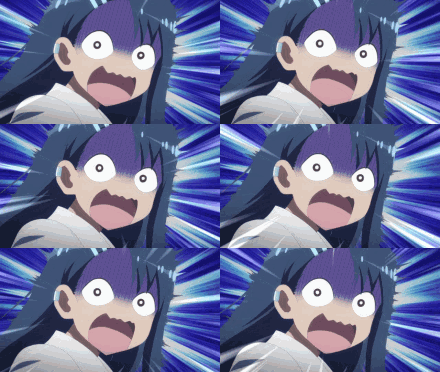
The violet colour on the face indicates fear in anime. We can also see a ghost coming out of their mouth as they fall in fear, beady eyes of fear, confusion, etc. Trembling legs and running while wailing are other examples.


7.  Bibhatsa (Odious)


Odious sentiments have their basic dominant state of disgust. Determinants create it by hearing unpleasant, offensive, impure and harmful things or singing them or discussing them. Consequences include stopping the movement of all kinds and narrowing down of the mouth vomiting. The emotion evoked by anything that nauseating. It generates revolt or sickens us when something comes to our notice that is coarse and graceless, beneath human dignity.

 Disgust can be shown by the twitching of the mouth and eyes, vomiting rainbow liquid, making a scary dark face, spitting, etc.


8.  Adbhuta (Marvellous)

The marvellous sentiment has its basic occurs only in the dominant state of atonement. Consequences are ‘wide opening of eyes, looking with fixed horripilation and tears with joy.

Exaggeration of this sentiment in anime can be shown with sparkling eyes with moving backgrounds, trembling goosebumps, jaw dropped to the ground etc.


9.Santha (Tranquil)

Santa connotes tranquillity, repose, serenity, the "peace that passes understanding." The Santa rasa is the Maharasa. All feelings in aesthetic experience merge out of the Santa and are, in the end, submerged in it. All rasas are relished in a state of perfect tranquillity born out of the withdrawal of our ego from our practical interests.

This sentiment plays a significant role in anime. Before a crisis happens, we can see the characters looking to the sky and, after everything settles down, looking at the sea in tranquillity. Meditation is another example. Sitting calm and drinking Japanese green tea is another famous scene. Closed eyes with hair rustling in the wind can also be considered the portrayal of Santa Rasa in anime.


Anime also has an extensive range of facial expressions. Although generally, facial expressions are easier to understand than visual shorthand like speed lines. Anime is famous for its enormous eyes. These both play a part in facial expressions and audience expectations. Looks from the face and personality of the character. Serious characters have realistically sized eyes. More outgoing, young, or personable characters have more exaggerated and noticeable expressions. Large eyes, in general, allow the artist to convey expression and a character’s thoughts more easily. These exaggerations in sentiments are enjoyable and can touch our hearts more deeply than watching a performance by people. As per Aristotle, watching anime arises pity and fear and all other emotions on a greater level and able us to relate and sympathise with them. This explains the sudden rise in the number of the audience during the pandemic time. Watching anime helped them heal mentally and gave them hope for the future.

Thursday, April 28, 2022

 ASEXUALITY- AN EMERGING IDENTITY


Understanding what has commonly been viewed as dysfunctional or repressed sexuality is now coming to light, at least among youth. As per the Asexual Visibility and Education Network (AVEN), an Asexual is a person who does not experience sexual attraction, and Asexuality is the lack of sexual attraction to others or low or absent interest in or desire for sexual activity. It may be considered a sexual orientation or the lack thereof. It may also be categorised more widely to include a broad spectrum of asexual sub-identities.

Attention to human asexuality came mainly from the medical and psychological discourse, which was, in the beginning, marked as “inhibited sexual desire”, “hypoactive sexual desire disorder”, etc., in the 1980s. There is a marked difference between those who experience a decrease in libido and those who do not experience sexual desire. Our primary focus is on the latter group, locating asexuality as a viable sexual and social identity. Anthony F. Bogaert, in his 2004 article, endorsed that approximately 1% of the population is asexual. However, a recent 2019 Williams Institute survey identified an estimated 1.7% of sexual minorities as asexual adults. The study also found that asexuals are more likely to be women or gender non-binary, assigned female at birth, and younger than non-asexual lesbians, gay men, and bisexual adults.

People often confuse asexuality with celibacy or impotence. AVEN repeatedly opposes that celibacy and asexuality are not the same. They claim that celibacy is a choice to abstain from sexual activity. But asexuality is not a choice but a sexual orientation describing people who don’t experience sexual attraction. The main problem of the mass is that they don’t believe that any category of LGBTQIA+ is natural. The irony is that they stick hard with the term ‘natural’ when people live in an artificial house and travel in manufactured automobiles. If we look close enough, there are more artificial things created from the brilliance of the human mind than natural objects in this world. But they’re not ready to accept something out of the ordinary for human reason. Having a transgender person or a different sexual orientation is nothing new. This is also natural as far as medicine and psychology are concerned. As per Michel Foucault, sexuality is a socially constructed norm where heterosexual relationships are considered normal.


The importance of this article is because nowadays, with the help of the internet and other media, queer identities like gay, lesbian, and transgender are getting recognised and accepted by most people and the government. In contrast, asexuality is ignored or considered as a hard-to-believe concept. Both homosexual and heterosexual communities thought of asexuals as not only cold but also animalistic and unrestrained. Asexual activist, author, and blogger Julie Decker has observed that sexual harassment and violence, such as corrective rape, commonly victimise the asexual community. Sociologist Mark Carrigan sees a middle ground, arguing that while asexuals often experience discrimination, it is not phobic but "more about marginalisation because people genuinely don't understand asexuality."

The general reaction of people towards asexual is like: “It can’t be real as it goes against evolution.” or “You’ll be ok when you find the right person.” One among the asexual symbols, the dragon symbol, partially came about from jokes that no one thinks asexuals exist. The counter is basically, "Well, no one thinks dragons exist either, so we get the dragons. The typical attitude towards the ace community when they reveal their identity to the public is: “Sounds fake. But ok.” Which will make them hard to come out and forever suppress themselves as a closeted identity. Talking this cliché dialogue to the next level, a weekly comedy podcast that focuses on asexuality and aromanticism, hosted by the University of Michigan and  was honoured with the 2020 Discover Pods Award for "Best LGBTQ+ Culture Podcast."

Hesitance in intimacy is often shown as laughable or shameful by the media. Overall, the messaging around sexuality in media has long told us that firstly, there’s always an explanation for why a character does not want intimacy- they’re lying, shy, impotent, insecure, or anything other than simply uninterested. And secondly, lack of experience is a funny pathology that can and should be “fixed.”

The asexuality of characters is erased from the media by either ignoring their existence or shipping them with other characters. Sherlock Holmes, too, in the original work, is an asexual. But later in the adaptations and live actions, he’s portrayed as a romantic. Another example is Sheldon Cooper from the Big Bang Theory, where he was initially described as an asexual. Still, in the latter series, he turned out to be in a relationship for the satisfaction of the fans. Asexual and aromantic characters like Elsa from Frozen, Sherlock Holmes, Sheldon Cooper from The Big Bang Theory, and Lord Varys from The Game of Thrones remind us that self-actualisation is possible beyond romance. They demonstrate how work and friendship can provide a great sense of fulfilment and meaning. Some of the characters are portrayed as “married to job” types. They’re often creative geniuses and passionate about their work. Being asexual doesn’t mean not wanting love. Some asexual people want to be in a romantic relationship. Like most human beings, they want to connect with people deeply and meaningfully. Also, some asexuals don’t seek a relationship- they’re called aromantics. as the saying goes, ‘all asexuals are not aromantics, but all aromantics are asexual.’


Now, coming to the regional context, where family is the base of the whole existence, anything out of the norms is taboo. Marrying off their children is the no.1 priority of most parents. When we welcome the cuisine, fashion, business ideas, films and literature to our culture from the west, it should also be applicable to ideas and concepts in life. In a social context like this, it is hard to accept that one’s child is not getting married and cannot give them grandchildren. Will this change the fact that the love and care they provided until now will stop? Sadly, some families disown them. Think about the possibility of forcing marriage on an asexual person? Their failed marriage will cause stress and often become domestic violence and marital rape. Many women among us are married off as it is a duty to be fulfilled and are experiencing abuse and depression. It is like someone forcing you to eat a food item you don’t like, saying it is healthy and everyone around you eats it.


This article should be an eye-opener. Asexuality is not something that emerged as a part of the post-modernist idea. It is a human condition of the mind which has existed as long as humans come into being. It is just that, until now, we mark them under some known medical terms. Asexual people are around us. They’re scared to come out because of the heterosexual biased society and are ignorant about their feelings and existence. International Asexuality Day (IAD) is an annual celebration of the asexuality community that takes place on 6 April. The first International Asexuality Day was celebrated in 2021. It involved asexuality organisations from at least 26 countries. Its activities included virtual meetups, online and offline advocacy programs, and sharing stories in various art forms. Ace Week (formerly Asexual Awareness Week) occurs on the whole last week in October. It is an awareness period created to celebrate and bring awareness to asexuality (including grey asexuality), founded by Sara Beth Brooks in 2010.

Asexuality is an emerging identity of this era. There are many people who struggle with mixed up feelings and signs, which could result in existential and identity crises or even depression and lesser social involvement. So, it is essential to solve this mental crisis. It is always better to stay loyal to yourself than to live in a façade made by society. Everyone has different appearances, intellects, and behaviours. Therefore, it is natural that sexuality is also diverse. It's perfectly normal. Accepting who you are is of utmost importance.

  Street Savors of Thiruvananthapuram: Unveiling the Tapestry of Urban Food Culture through Food Wagons   Introduction Food is a funda...