About Me

My photo
Hello, I'm Aadya. Currently doing my Master's in English Literature.

Saturday, February 18, 2023

 The Arbit Documentation of an Amphibian Hunt: Aavasavyuham


Krishand’s award-winning movie Aavasavyuham (2022) communicates the synergy between nature and humans and their societal issues through a genre blend of documentary and fiction with a pinch of magic realism. This mockumentary revolves around one central character, Joy, who has a mystic relationship with all creatures in nature.

 The story moves through the interviews with a few people with whom Joy spent different phases of his life. They are Joy’s initial benefactor Kochraghavan; his ex-lover Lissy; his nemesis Murali and Susheelan Vava, who exploits Joy’s unique abilities for his benefit.

The story is in four parts, and the first two parts symbolise man’s innate bond with nature and her creations. In the beginning, we can see the simple life of Joy at Azhikode. A group of researchers comes in search of a new frog species, and Joy helps them to locate the frogs using a particular sound. The local people call him weird. No one knows where he came from or about his past. They compare him with an eel because not only he has a strong and flexible body, he always slips away from people and exists as a mystery. Lissy, the girl who was in love with Joy, describes that he always had a fishy smell, even though he doesn’t eat fish for meals. Her father, Kochuraghavan discovers Joy’s ability to call fish, prawns and other marine creatures when he makes a particular sound. Later, he flees from Azhikode after murdering Sajeevan.

The second part of the movie is about the new life of Joy in Puthuvype. Susheelan Vava, who found Joy on the seashore, took him home. He also found Joy’s secret ability to call fishes into the net. Contradictory to his name, Susheelan Vava is a greedy man. He exploits Joy’s ability to catch more and more fish and soon becomes rich. Vava compels Joy to call the fish and crabs again and again out of greed. We can see how Vava’s business blooms, and he becomes the owner of five fishing boats using Joy. There are times when Joy finds it challenging to catch fish. He realises that his doings are unfair to the fish. He considers them his friends. He soon notices that there are no more fish in the backwaters and sea due to overfishing.

         The transition from the second to the third part discusses the disturbance in nature due to human interventions. Vava recollects his father’s death from Viper’s bite. He says that there were no Vipers in Puthuvype. These immigrant Vipers came from the rock-powder and landfill from Eastern Kerala to fill the mangroves.

We also get a glimpse of the relentless fight against unplanned development in Puthuvype, which is a threat to traditional workers like fishermen, along with the instalment of dangerous chemical plants. This is the honest depiction of protests by the residents and the greens against establishing an LNG terminal in Puthuvype.

 When Vava mentions the hazardous plant, Joy asks if the fish, crabs and other creatures will die when the plant explodes, more than worrying about himself and other human beings. Environmentalists also noticed how dolphins stopped moving inwards to the backwaters from the sea after the terminal at Vallarpadam and Vypin LNG terminal. It was only during the Covid time that they reappeared during the high tides due to decreased traffic.

         The third part concerns the brutal depiction of the ‘Amphibian Hunt.’ Joy’s metamorphosis into a half-human half-frog form shocked the people and attracted worldwide attention. The dark side of the police department is mocked for utilising the folks’ curiosity to catch a glimpse of this Frog-man with an entry fee. The now-transformed Joy is trapped inside a house and is mistreated. He is soon shot dead by Murali as revenge for murdering his brother, Sajeevan.


The final part shows the skeleton of Joy preserved in the Zoology Museum, Paris for further research. The first two parts show us how Joy was treated as a human and in the second part as an animal. The difference in treatment towards human’s own kind and other animals is clearly distinguished in this movie. There is an instance where the simpleton Joy acts like a goon for Vava. That scene shows how the pure-hearted Joy is tainted with human crookedness and folly.

The role of Joy was starred by the Karikku fame actor Rahul Rajagopal. This movie bagged several awards such as the FIPRESCI Prize at the 26th International Film Festival of Kerala for Best Malayalam Film, the NETPAC Award by Kerala State Film Award for Best Feature Film, the Award for Best Original Screenplay and also got a nomination for the Golden Crow Pheasant Award.  

The curiosity of humans to learn about the unknown is a never-ending journey. Humans are always searching for new species and are excited to make theories behind their origin and flaunt them through debates and discussions, just for fame. They kill animals and other creatures without rhyme and reason just for a moment of joy or for personal benefit. Joy was a gift of nature, the one who could connect with both humans and nature. Just like Jesus Christ, he was crucified in the end by humans.


  Aavasavyuham depicts the co-existence with nature. Since we are living in an artificial nature with advanced technology, it’ll be hard to go back to the original nature. We cannot live without exploiting nature because we depend upon many natural resources. Overexploitation is the reason for all these backlashes from nature as a form of reforming the equilibrium.

“We have changed the atmosphere, and thus we are changing the weather. By changing the weather, we make every spot on earth man-made and artificial.” [McKibben.1989.]

Through movies like Aavasavyuham, the director makes us think better about our relationship with both nature and our fellow beings and how to make it better for equal co-existence.

Sunday, July 10, 2022


 よるのしゅご!

27たいようをまた

あいのめがみ。


രാത്രി വിണ്ണിൻ്റെ കാവൽക്കാരീ!

ഇരുപത്തേഴ് സൂര്യൻമാരേയും ഉറക്കി,

അനശ്വരസ്നേഹദേവതയ്ക്കായി ഞാൻ കാത്തിരിപ്പൂ...


O guardian of night!

I counted 27 suns to meet you...

My goddess of eternal love.


 ちちのあい

かめのように

おそいがつよい。


കൂർമ സമാനം പിതൃസ്നേഹം;

കാർക്കശ്യത്തോടിൻറെ കുപ്പായം

ഉളളിലോ സ്നേഹസൗമ്യ ഹൃദയം.


Dad loves like tortoise;

Seems strong and stern on outside

But so soft inside. 


とりのうた 

はなのかおり

はるがきた。


കിളികളുടെ കൂജനം,

പുഷ്പങ്ങളുടെ സുഗന്ധം;

വസന്തം വരവായി.


Flock of chirping birds,

Sweet scent of flowers around;

Spring is here again. 


ようきな

わらうをやめた

さむくなた。


വെളിച്ചപ്പെട്ട പെൺകുട്ടി

ഇലപൊഴിയും കാറ്റിൻ വിധി നോട്ടത്തിൽ

തണുത്തുറഞ്ഞു.


Cheerful summer girl

Falling leaves judged her brightness

Become pale cold-white.


എന്റെ ആദ്യത്തെ കുഞ്ഞിന്


ഹിരോഷി യോഷിനോ യുടെ "ഹാജിമേതെ നൊ കോ നി" എന്ന കവിതയുടെ പരിഭാഷ.


നീ ജനിച്ചതിന്റെ പിറ്റേന്ന്.


കഴുകൻമാരെപ്പോലെ അവർ വന്നു;

ലൈഫ് ഇൻഷുറൻസ് ഏജന്റുമാർ.


അവർ കറുത്ത ലതർബാഗുകൾ

വീണ്ടും വീണ്ടും

തുറന്നടച്ചുകൊണ്ടേയിരുന്നു.


"നിങ്ങളുടെ കാതുകൾ മൂർച്ചയുള്ളതാണല്ലോ!"

ഞാൻ ആശ്ചര്യപ്പെട്ടു.


"ഞങ്ങൾക്ക് അതിന്റെ മണം കിട്ടി."

ചിരിച്ചു കൊണ്ട് അവർ പറഞ്ഞു.


എന്റെ കുഞ്ഞേ,

നിന്റെ മുഖം തിരിച്ചറിയുംവിധം

 രൂപപ്പെട്ടിട്ടുപോലുമില്ലല്ലോ.


പിന്നെപ്പോഴാണ്

നിന്റെ ഈ മൃദുലമേനി

കുഞ്ഞു മരണത്തിനായി

പങ്കുവെക്കപ്പെട്ടത്!!


ഇപ്പോഴിതാ ആ സുഗന്ധം

ഇവിടെമാകെ ഒഴുകിപ്പരക്കുന്നു.


ഈ മണത്തെക്കുറിച്ചാവില്ലേ

അവർ പറഞ്ഞത്?


**********


ഹിരോഷി യോഷിനോ (1926-2014). ജാപ്പനീസ് കവി. ന്യൂമോണിയ ബാധിച്ച് 2014 ജനുവരി 15-ന്  എൺപത്തിയേഴാം  വയസ്സിൽ അന്തരിച്ചു. കവിത, വിമർശനം, വ്യാഖ്യാനം, ഉപന്യാസം എന്നിവ ഉൾപ്പെടെ  66 കൃതികൾ രചിച്ചിട്ടുണ്ട്.

ഹിരോഷി യോഷിനോ സെൻശിത്സു ( ഹിരോഷി യോഷിനോയുടെ കവിതാശേഖരം) ഗെൻദായ്ശി ന്യൂമോൻ (ആധുനിക ചരിത്രത്തിന് ഒരാമുഖം),  ശി നൊ കൊതോബ നൊ ത്സൂരോ (കവിതയും വാക്കിന്റെ വഴിയും), ഹിരോഷി യോഷിനോ ശിഷൂ (ഹിരോഷി യോഷിനോയുടെ കവിതാ സമാഹാരം), തുടങ്ങിയവയാണ് പ്രധാന കൃതികൾ.

Monday, May 2, 2022

 Exaggerated Sentiments in Japanese Anime 

Rasa’s Foundation is laid upon a particular view of psychology that holds our personality. A few primary emotions live in the conscious and subconscious states of our being. These emotions are vast, amusing, pathetic, heroic, passionate, fearful, disgusting and wonderful. Later on, peaceful, intellectual and devotional were also added. The realisation of Rasa is said to result from the union of three interrelated elements-Vibhava, Anubhava and Vyabicharibhava and also the permanent mood called Sthayibhava. Let’s take a look at the nine Rasas and their Sthayibhavas:

Rasa

Sthayibhava

Sringara (Erotic)

Rati

Hasya (Comic)

Hasa

Karuna (Pathos)

Soka

Raudra (Furious)

Krodha

Vira (Heroic)

Utsaha

Bhayanaka (Terrific)

Bhaya

Bibhatsa (Odious)

Jugupsa

Adbhuta (Marvellous)

Vismaya

Santha (Tranquil)

Nirveda


According to the Rasa theory of the Natya Shastra, entertainment is the desired effect of performance arts but not the primary goal, and the primary goal is to transport the audience into another parallel reality, full of wonder and bliss, where they experience the essence of their consciousness, and reflect on spiritual and moral questions. It evokes emotions in the reader and audience and implies an Indian artistic notion of an aesthetic sense of visual, literary, or musical work that cannot be explained.

Evidently, Rasa theory is not limited to Indian aesthetics. Since these emotions apply to every human being, we can find them in different realms. For example, let’s check how Japanese anime portrays these nine sentiments and how they’re different from normal Rasa.


1.  Sringara (Erotic)

The Erotic sentiment arises from the dominant state of love. The mutual affection of love is found not only between individuals but also between birds, animals and the other entire creature. Erotic Sentiment in union arises from determinants like the pleasure of the season, enjoyment of garlands, the company of beloved persons, objects, etc. Its consequences are the clever movement of eyes, eyebrows, the soft and delicate movement of the body, sweet words, and other things.

When it comes to Japanese anime, we can identify this sentiment by the blush that spreads through the character’s face. The blush is either shown as red lines or as a red complexion.  The intensity of emotion increases when this blush covers the face complete and travels through the neck. We can see them touching the two index fingers together to indicate shyness while talking. When they see their love interest in a sexy outfit, the excitement is portrayed as them getting starry eyes and a nose bleed.


2.  Hasya (Comic)

Humour arises from the grotesque and custom of others, shameless characters who craze for sensual; pleasure, mischief, and foul words. Laughter is related to his/her/ their own self-centred laughter. There are six types: Slight smile, Smile, Gentle Laughter, Laughter of Ridicule, Vulgar Laughter, Excessive laughter.

The anime smiles are pretty similar to ordinary human smiles, but their laugh is exaggerated and humanly impossible. The broad open-mouthed laughter, laughing while rolling on the floor, cat-mouth laugh etc., are comical.


3.  Karuna (Pathos)

The pathetic sentiment arises from the dominant state of sorrow, and its cause is presented through the separation from a dear one, loss of wealth, death, accident or any type of misfortune. Pathos is the very delicate Rasa; during its experience, the heart melts a great deal. 
 There are numerous anime moments which made us shed tears of pain, joy and sorrow. The large eyes of anime characters play a significant role in conveying these emotions. That is the realistic part. When it comes to the comical part, we can see large balls of teardrops and waterfalls from their eyes.


4.  Raudra (Furious)

It is related to Furious Sentiment and is created by striking blows, cutting, mutilation and piercing swords in wars and fights and tumult of the battle and the like. Many critics say that the furious sentiment is full of conflict of arms, words, movements and deeds that are terrible and tearful. Transitory states connected with the furious sentiment are the presence of mind determinations energy indignation perception.

The element used in anime to indicate anger is fire. We can see the character burning in rage, and even fire comes from their mouth. Another indicator is the red popping vein in the forehead. Fast movements of the body are represented through speed lines. We can see the face of these characters turning into a demon (Oni) when they get angry.


5.  Vira (Heroic)


Special conditions are high energy, perseverance, optimising absence of surprise and presence of mind. The heroic sentiment reflects the special type of person, and has energy or enthusiasm has its basis.

As stated above, heroes and heroines exhibit good manners and are energetic. They have significant character development and mostly have a sad backstory. They know how to talk effectively and can bring out the best results. Excellent leadership, a loving family and trustable friends and a kind smile of assurance etc. are their other qualities. Never giving up in any circumstances is the life motto.


6.  Bhayanana (Terrific)

The Terrific sentiment has its dominant state of fear. It is usually created by a fearful atmosphere like Hideous, Noise, side of ghost panic and anxiety due to a timely cry of a Jackal or hyena. Fear is not natural to noble character and on the contrary, what excites fear in ordinary people excites anger in violence.

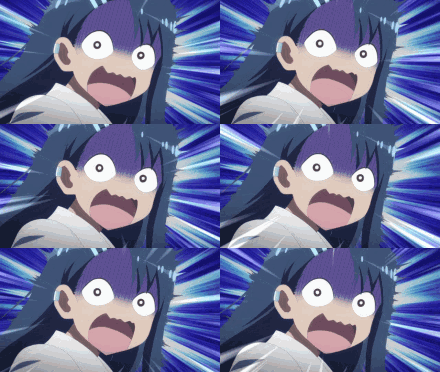
The violet colour on the face indicates fear in anime. We can also see a ghost coming out of their mouth as they fall in fear, beady eyes of fear, confusion, etc. Trembling legs and running while wailing are other examples.


7.  Bibhatsa (Odious)


Odious sentiments have their basic dominant state of disgust. Determinants create it by hearing unpleasant, offensive, impure and harmful things or singing them or discussing them. Consequences include stopping the movement of all kinds and narrowing down of the mouth vomiting. The emotion evoked by anything that nauseating. It generates revolt or sickens us when something comes to our notice that is coarse and graceless, beneath human dignity.

 Disgust can be shown by the twitching of the mouth and eyes, vomiting rainbow liquid, making a scary dark face, spitting, etc.


8.  Adbhuta (Marvellous)

The marvellous sentiment has its basic occurs only in the dominant state of atonement. Consequences are ‘wide opening of eyes, looking with fixed horripilation and tears with joy.

Exaggeration of this sentiment in anime can be shown with sparkling eyes with moving backgrounds, trembling goosebumps, jaw dropped to the ground etc.


9.Santha (Tranquil)

Santa connotes tranquillity, repose, serenity, the "peace that passes understanding." The Santa rasa is the Maharasa. All feelings in aesthetic experience merge out of the Santa and are, in the end, submerged in it. All rasas are relished in a state of perfect tranquillity born out of the withdrawal of our ego from our practical interests.

This sentiment plays a significant role in anime. Before a crisis happens, we can see the characters looking to the sky and, after everything settles down, looking at the sea in tranquillity. Meditation is another example. Sitting calm and drinking Japanese green tea is another famous scene. Closed eyes with hair rustling in the wind can also be considered the portrayal of Santa Rasa in anime.


Anime also has an extensive range of facial expressions. Although generally, facial expressions are easier to understand than visual shorthand like speed lines. Anime is famous for its enormous eyes. These both play a part in facial expressions and audience expectations. Looks from the face and personality of the character. Serious characters have realistically sized eyes. More outgoing, young, or personable characters have more exaggerated and noticeable expressions. Large eyes, in general, allow the artist to convey expression and a character’s thoughts more easily. These exaggerations in sentiments are enjoyable and can touch our hearts more deeply than watching a performance by people. As per Aristotle, watching anime arises pity and fear and all other emotions on a greater level and able us to relate and sympathise with them. This explains the sudden rise in the number of the audience during the pandemic time. Watching anime helped them heal mentally and gave them hope for the future.

  Street Savors of Thiruvananthapuram: Unveiling the Tapestry of Urban Food Culture through Food Wagons   Introduction Food is a funda...